
Disclaimer: This post may contain affiliate links. This means that if you click on the link and purchase an item, I'll make a small commission to keep the lights running. Furthermore, as an Amazon Associate I earn from qualifying purchases. I recommend only products I have personally tried and believe can bring value to you.
Your home can look organized and still be surprisingly hard to live in. Everything has a place. The shelves look reasonably respectable. And yet, putting away one clean T-shirt somehow requires moving half its neighbours first.
Meanwhile, the chair is right there. Available. Welcoming. Asking absolutely nothing of you.
This is what I mean by friction at home: the extra searching, fetching and rearranging that gets added to an otherwise simple task. I’ve made three changes to reduce friction at home, and they’ve made everyday things easier to finish. None of them requires reorganizing your entire life this weekend. You’re welcome.
Why an organized home can still create extra work
Let’s go back to that T-shirt. If its place is in the middle of a stack, putting it away means lifting the clothes above it, sliding it in and straightening everything again. Technically, you’ve given it a home. Using that home is the awkward part.
Leaving it on the chair takes much less effort. So when you’re tired, busy or simply done with the day, it’s easy to postpone the more complicated option.
In the video, I reference BJ Fogg’s Behavior Model, which describes motivation, ability and a prompt coming together for a behaviour to happen. The part I’m applying to storage is making the action easier. A beautifully arranged cupboard isn’t helping much if using it keeps creating another little job.
So I started looking at the steps inside ordinary tasks. Where was I repeatedly searching for something? Going to another room? Moving several things just to put one thing back? Those were the bits I wanted to change.
1. Keep matching parts together
Food containers were a regular source of irritation for me. The usual space-saving approach is to nest the containers and store their lids separately. Everything fits nicely. Then you have leftovers to put away, and suddenly you’re running a small lid audition.
This one’s too small. That one looks right but won’t close. Another is apparently from a container that has quietly left the family.
Now I store my everyday containers with their lids attached. I wash both parts, let them dry, then put them away together. When I need a container, its lid is already there. I can finish putting the food away and get on with my day.
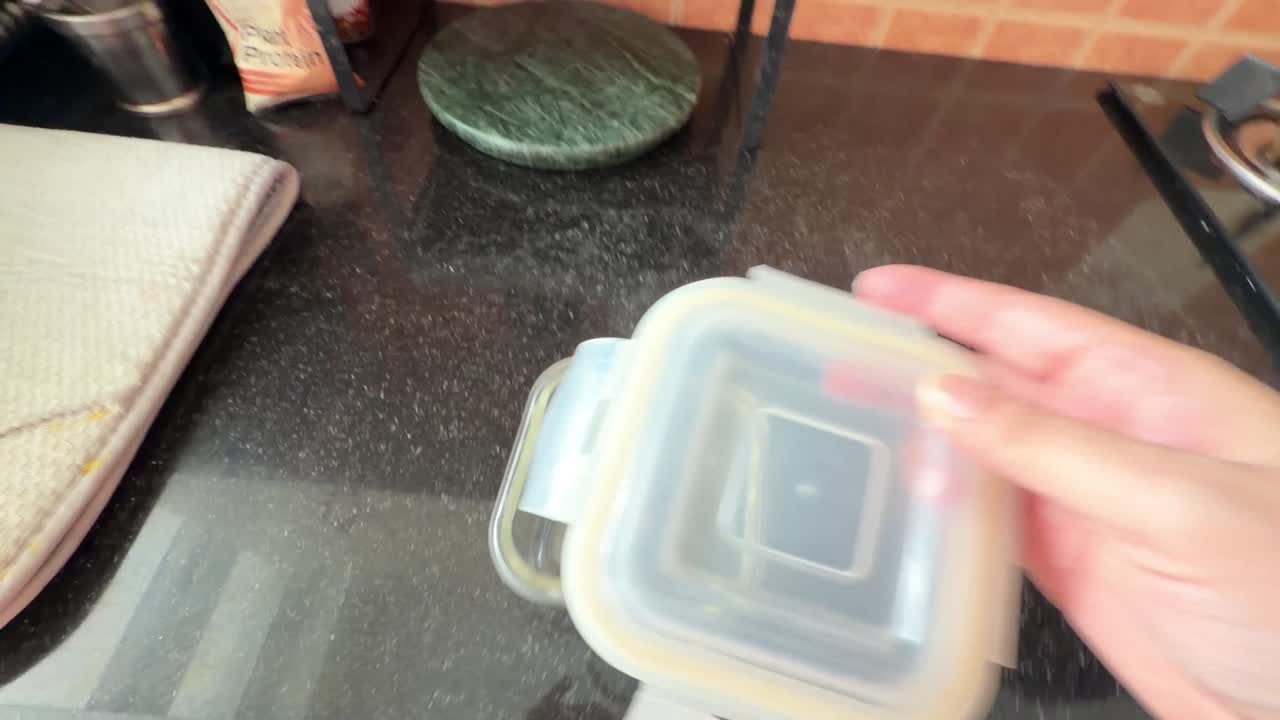
Yes, this takes more space than nesting everything. I’m happy to make that trade because it removes a task I was repeating over and over. If your cupboard is too tight for all your containers to live this way, try it with the ones you reach for most often.
The useful question is: what do I keep having to match before I can use it? If the parts can live together, you may be able to remove the search entirely.
2. Keep useful duplicates where you use them
I keep one face cleanser by the sink and another in the shower. I have a weighing scale in the kitchen and another on the coffee counter. And there are scissors in several rooms.
For someone who talks about decluttering, that may sound suspicious. But each of these duplicates has a job.
When I’m in the shower, I want to wash my face without remembering that the cleanser is by the sink, tiptoeing across the floor with wet feet and returning cold and annoyed. Keeping another one in the shower removes that trip.
The coffee scale does the same thing. When we’re groggy and making coffee, I don’t want to walk around the dining table to fetch the kitchen scale. The one on the coffee counter stays where we need it, while the kitchen scale is still available for measuring meals.
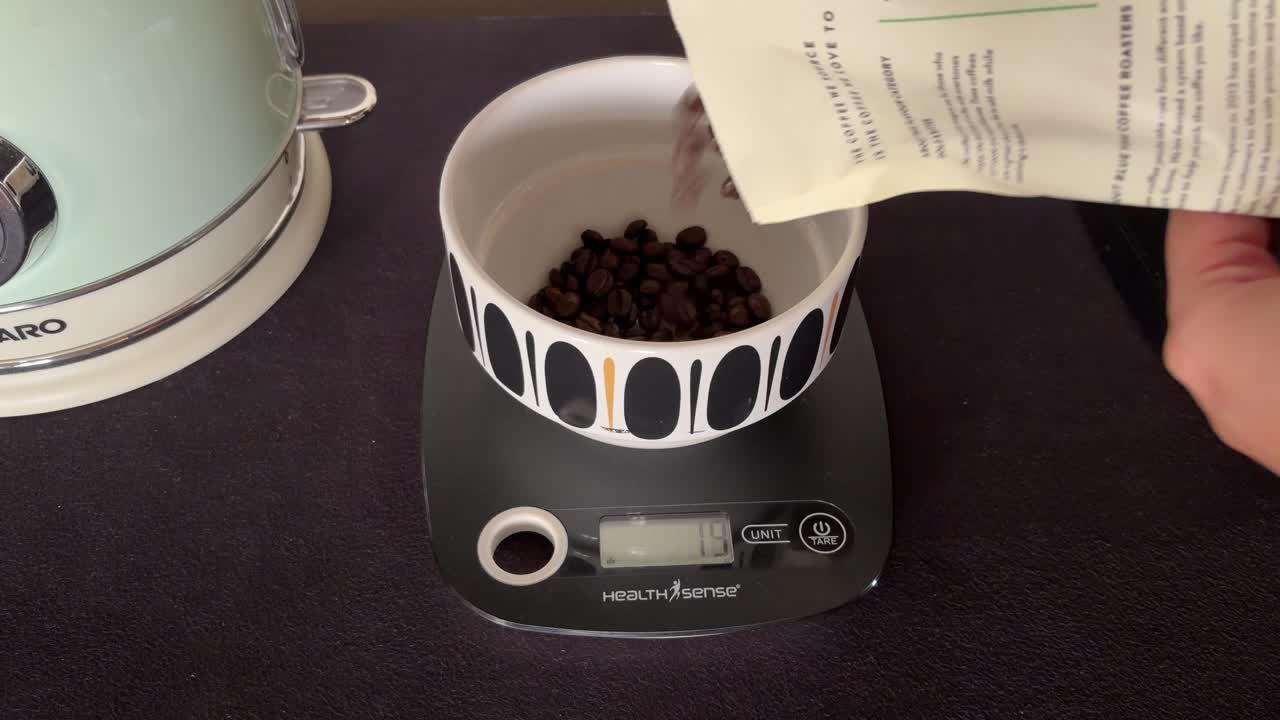
And scissors? One pair for the whole house sounds perfectly reasonable until someone takes it to open a package and leaves it there. You open the designated drawer, find no scissors, and begin your complimentary walking tour of the house.
I keep a pair in the study for trimming plants, one in the kitchen for food packages, another near the entryway for deliveries, and one in the bedroom. I know. It sounds like a scissor situation. But it saves me repeatedly searching and remembering to carry a pair back.
I wouldn’t start duplicating everything. Start with one thing you regularly fetch between two places. If you use it often in both, and another one would remove a recurring trip, it may earn its place. The point is to make a task easier, rather than collect backups that never get used.
3. Let one item come out without disturbing everything else
This is the question I now ask about storage: can I take one thing out and put it back without moving everything around it?
Clothes are the obvious example. Pull a T-shirt from the middle of a stack and the pile can topple, mix with the pile next to it, or need straightening again. You wanted a T-shirt. You have somehow acquired a small maintenance project.
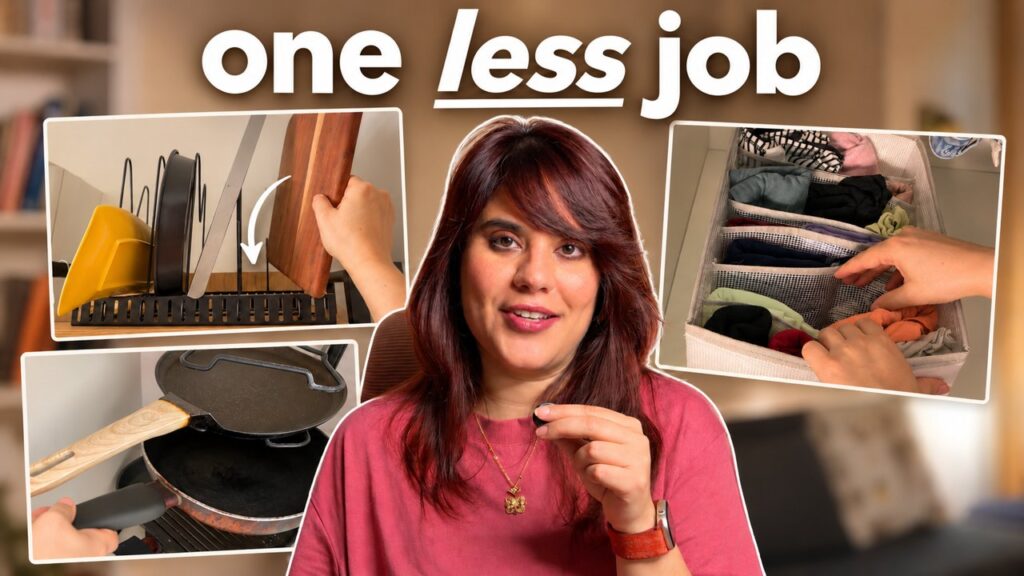
In my closet, I use file-style organizers with individual slots. I roll the clothes and put them side by side. Taking one out leaves the others alone, and putting it back doesn’t involve rebuilding a pile. I’ve shared more of that setup in the changes that helped me make more room in my tiny closet.
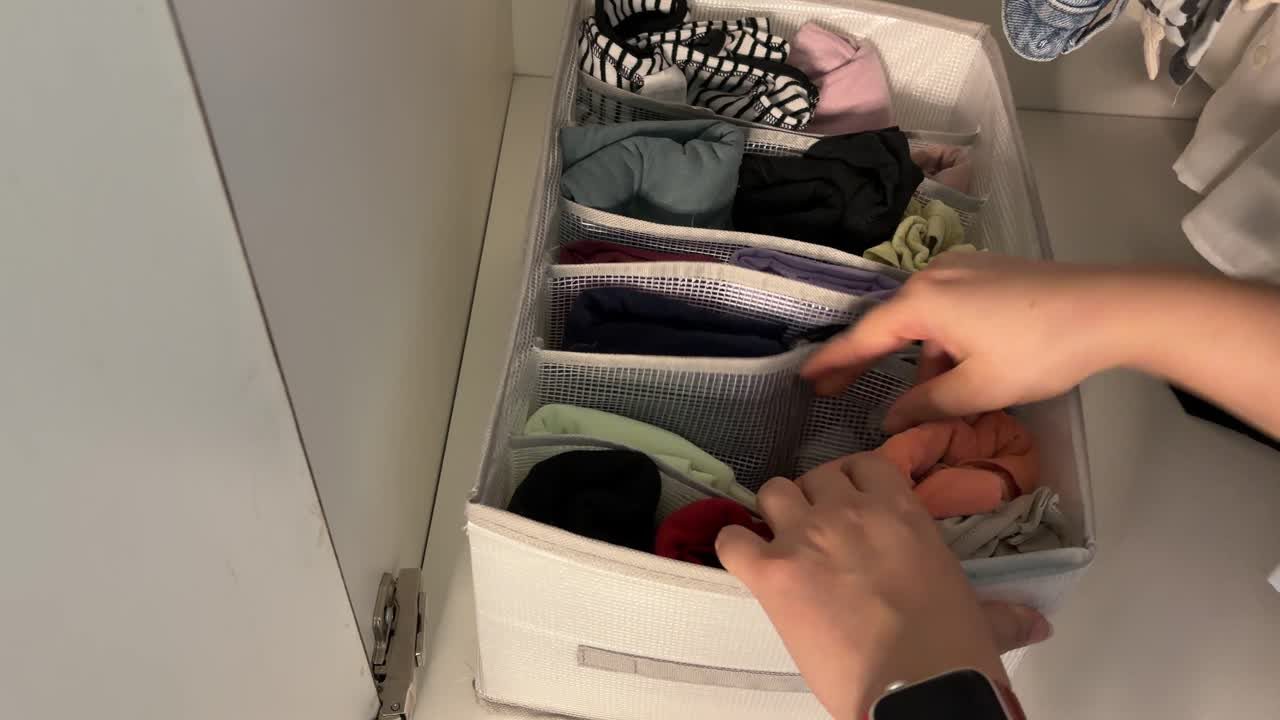
The same principle works in my kitchen. My pan rack has separators, so I can remove one pan without disturbing the others. Chopping boards and trays also have separate slots, which means I can take the one I need and return it without rearranging the whole collection.
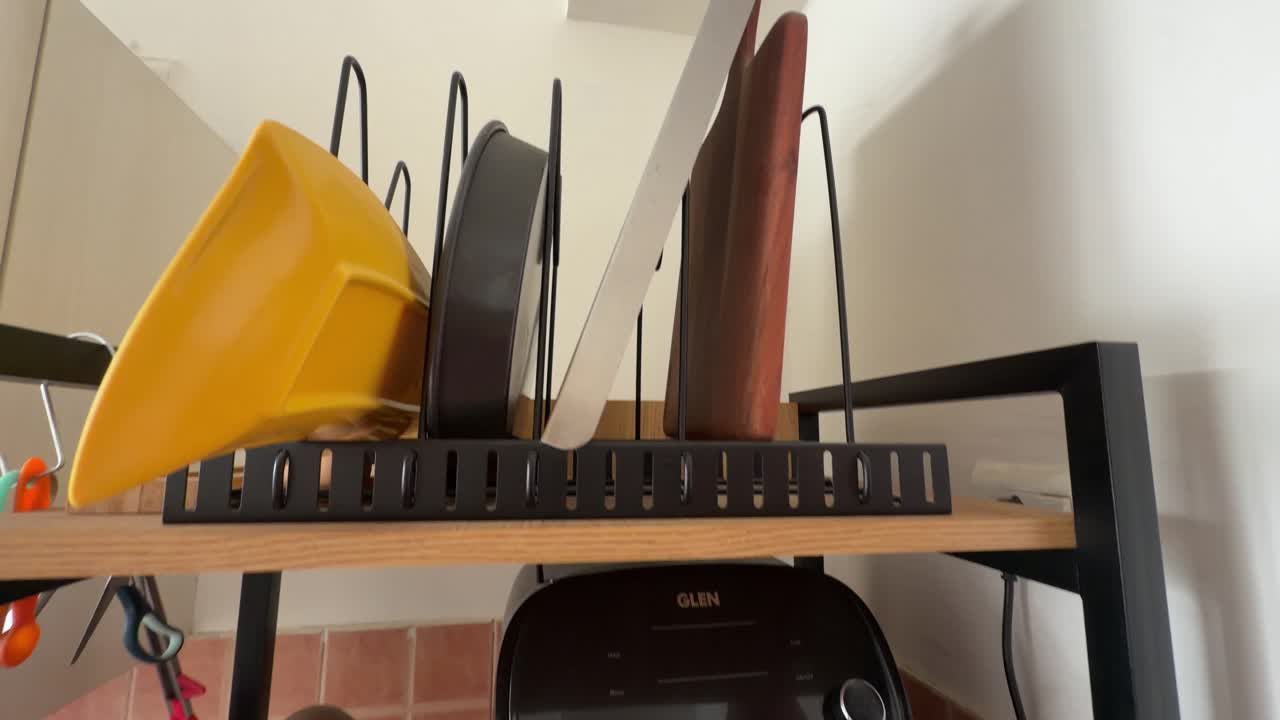
Before buying an organizer, watch what actually happens when you use your current storage. If you’re moving several things every time you need one, independent spaces or slots might help. The organizer needs to solve that specific problem; looking lovely while creating the same extra work won’t do much for you.
Find one extra step you can remove today
Searching for a lid, fetching scissors and straightening a stack are small jobs. That’s also why they’re so easy to overlook. You do them, get mildly irritated, then do them again tomorrow.
Before tackling a whole cupboard, follow one ordinary task from beginning to end. Notice where you stop to search, fetch something or move something else first. Then see whether you can remove just one of those steps.
It might mean keeping matching parts together, allowing a useful duplicate or changing how one stack is stored. In my tiny laundry room reset, making the supply rack and stool accessible helped for exactly this reason: I could use what was already there more easily.
Your home doesn’t need to ask you to be endlessly motivated to put things away. Making the next small task easier is a perfectly good place to start.
Watch the examples in my home
Products and resources from the video
Disclosure: The product links below are affiliate links. I may earn a commission at no additional cost to you. As an Amazon Associate I earn from qualifying purchases.
The video includes these file-style clothes organizer bins and this slotted pan organizer. Only choose one if it solves a problem your home actually has.
For a simple first clear-out, try my free 20-minute Trash Bag Therapy guide. If you’d like a reset plan, routines and maintenance systems for your home, you’ll find them in the Choose Calm System.
What’s the one thing in your home that always makes you search, fetch something or move three other things first? Tell me in the comments. Mine was the container lids. A surprisingly persistent little source of domestic drama.